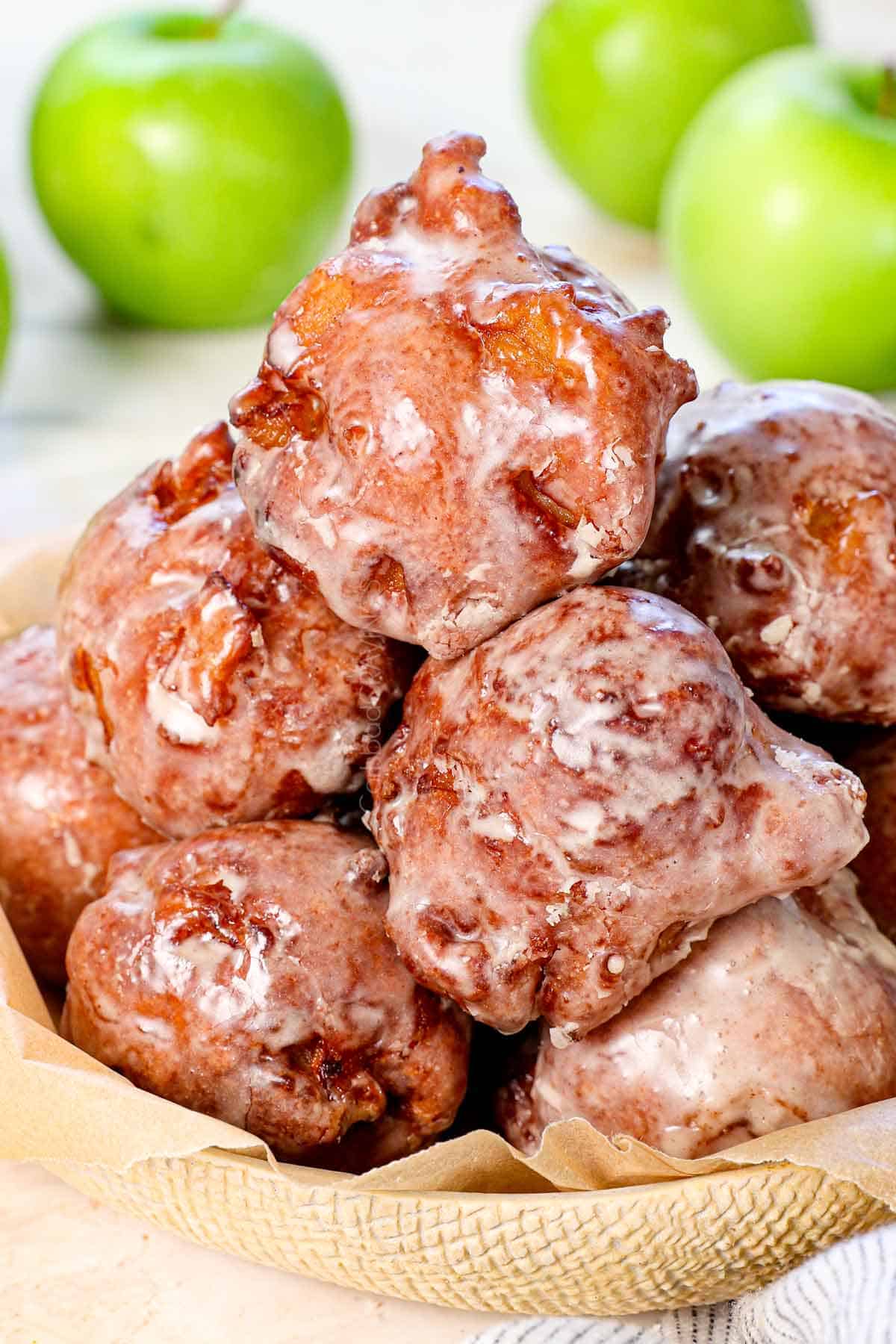
The irresistible allure of a perfectly crafted apple fritter is hard to deny. Imagine a golden-brown exterior, wonderfully crisp, giving way to a soft, pillowy interior studded with tender, juicy chunks of apple. Each bite delivers a harmonious symphony of sweet, tart, and warmly spiced flavors that dance on your tongue. While often associated with cozy fall mornings and the welcoming aroma of your favorite doughnut shop, making these delightful treats at home is surprisingly straightforward, transforming your kitchen into a haven of comforting indulgence.
But what truly elevates an apple fritter from merely good to absolutely sublime? Beyond the perfectly leavened batter and the sweet glaze, the secret lies in one crucial ingredient: the apple itself. The variety of apple you choose can dramatically impact the texture, flavor balance, and overall enjoyment of your homemade fritters. This guide will walk you through selecting the ideal apples to ensure your crispy treats are nothing short of perfection.
The Anatomy of a Perfect Apple Fritter: Why Apple Choice Matters
Before diving into specific apple varieties, let's understand why the apple is such a pivotal player in the apple fritter experience. A fritter, at its heart, is a rustic, deep-fried pastry, a cousin in the expansive doughnut family. Historically, versions of fruit-filled, fried dough have graced European tables for centuries, evolving into the beloved, irregularly shaped clusters we savor today. For a deeper dive into their fascinating past, explore Apple Fritters Explained: Rustic Doughnuts with a Sweet History.
For your apple fritters to achieve that coveted balance, the apples need to perform a few critical functions:
- Texture Retention: During the deep-frying process, apples are subjected to high heat. An ideal apple will soften to a tender bite but still maintain some structural integrity, preventing it from turning into a mushy pulp. Firmness is paramount here.
- Flavor Balance: Fritter batter is inherently sweet, often complemented by a sugary glaze or cinnamon-sugar coating. The apple's natural flavor must stand up to this sweetness. A touch of tartness provides a much-needed counterpoint, cutting through the richness and preventing the fritter from being overly cloying.
- Moisture Contribution: While we don't want soggy fritters, the right apple contributes natural moisture, enhancing the juicy quality within the soft interior of the fritter.
Choosing an apple that excels in these areas ensures that every bite is a delightful contrast of textures and flavors, from the crisp exterior to the soft, apple-studded heart.
Top Contenders: The Best Apples for Apple Fritters
While many apples are delicious for snacking, only a select few possess the unique characteristics required to shine in an apple fritter. Here are the top contenders that bakers swear by:
Granny Smith: The Tart Champion
- Why it’s great: Granny Smith apples are the quintessential choice for many bakers, and for good reason. Their exceptional firmness ensures they hold their shape beautifully even after deep-frying, providing discernible chunks of apple rather than dissolving into the batter. More importantly, their distinctive tartness acts as a powerful foil to the sweet, spiced dough and glaze. This creates a wonderfully balanced flavor profile that prevents the fritter from tasting one-dimensional.
- Tip: If you love a pronounced tart kick that brightens every bite, Granny Smith is your go-to. It’s also excellent when you want to tone down the overall sweetness of the fritter.
Honeycrisp: The Crispy & Balanced All-Rounder
- Why it’s great: Honeycrisp apples live up to their name with an incredibly crisp texture that translates well into apple fritters. They offer a delightful balance of sweet and tart, making them incredibly versatile. Their firm flesh means they maintain their structure during cooking, while their juicy nature adds a pleasant moisture to the fritter's interior.
- Tip: If you're looking for an apple that offers both fantastic texture and a harmonious sweet-tart flavor without being too assertive in either direction, Honeycrisp is an outstanding choice.
Gala: The Milder Sweetness
- Why it’s great: Gala apples are known for their sweet, mild flavor and a pleasant, slightly crisp texture. While less tart than a Granny Smith, their inherent sweetness works well within the spiced batter. They soften nicely without becoming overly mushy, offering a tender apple experience.
- Tip: Gala apples are excellent if you prefer a sweeter apple fritter or if you're planning to combine them with a tarter apple for a more complex flavor profile. They blend seamlessly without overpowering other ingredients.
Fuji: The Sweet & Crunchy Performer
- Why it’s great: Fuji apples are celebrated for their exceptionally crisp texture and naturally high sugar content. This sweetness can be a fantastic asset in a fritter, especially when paired with warm spices like cinnamon. Their firmness allows them to maintain their shape and provide a satisfying bite even after cooking.
- Tip: Fuji apples contribute a lovely sweetness and a distinctly crunchy texture that holds up well. They are particularly good when you want a naturally sweet fritter, or as part of a blend to introduce more sweetness and texture.
The Art of the Blend: Combining Apple Varieties
While each of these apples excels individually, many experienced bakers will tell you that the true magic happens when you combine two or more varieties. The art of the blend allows you to harness the best qualities of different apples, creating a more dynamic and nuanced apple fritter.
Consider these popular combinations:
- Granny Smith + Honeycrisp: This is a classic for a reason. The assertive tartness of the Granny Smith beautifully cuts through the sweetness, while the Honeycrisp adds a balanced sweetness and delightful crispness, creating a multi-layered flavor and texture experience.
- Fuji + Gala: For a sweeter, less tart fritter, this pairing offers a wonderful combination of textures – the crispness of Fuji with the slightly softer bite of Gala – all wrapped in a sweet embrace.
- Granny Smith + any sweet apple (Fuji, Gala, or Honeycrisp): Generally, pairing a firm, tart apple with a firm, sweeter apple is a winning strategy. This ensures both structural integrity and a captivating sweet-tart symphony.
Pro Tip: Don't be afraid to experiment! Your personal preference for sweetness and tartness should guide your apple selection. Try different combinations to discover your perfect apple fritter blend.
Essential Tips for Apple Fritter Perfection (Beyond the Apple)
While choosing the right apple is crucial, several other factors contribute to the ultimate homemade apple fritter experience. Remember, you don’t have to go to the doughnut shop when you have this easy apple fritters recipe to turn to!
- Proper Apple Preparation:
- Peel and Core: Always peel and core your apples. The skins can become tough and detract from the fritter's texture.
- Chop Uniformly: Aim for consistently sized chunks, typically about ¼ to ½ inch dice. This ensures the apples cook evenly within the batter. Too large, and they might remain too firm; too small, and they might disappear.
- Freshness Matters: Use firm, fresh apples. Old, soft apples will not hold up well during frying.
- Batter Balance: The simple batter, often made with flour, sugar, baking powder, salt, milk, and eggs, is designed to be thick enough to coat the apple pieces and create that fluffy, doughnut-like interior. Don't overmix the batter; just combine until the dry ingredients are moistened to avoid tough fritters.
- Frying Temperature is Key: For deep-fried apple fritters, oil temperature is paramount. Typically, a temperature between 350-375°F (175-190°C) is ideal. Too low, and the fritters will absorb too much oil and be greasy; too high, and they'll brown too quickly on the outside while remaining raw inside. A deep pan and a reliable thermometer are your best friends here. Spoon the dough in rustic, irregular clusters – this is the charm of apple fritters explained.
- Finishing Touches: Whether you opt for a simple cinnamon-sugar toss or a classic powdered sugar glaze, apply it while the fritters are still warm. This allows the coating to adhere beautifully and melt slightly, enhancing the flavor.
- Storage: Cooled apple fritters can be stored in an airtight container at room temperature for up to two days, in the refrigerator for up to a week, or even frozen for up to three months. Though, let's be honest, they rarely last that long!
Apple fritters are a delightful treat that perfectly balances simplicity with indulgence. They can be served as a warm, yummy fall breakfast treat or as a comforting dessert. The journey to making irresistible homemade apple fritters begins with selecting the right apples, a choice that promises to elevate your culinary creation.
By understanding the roles of texture, tartness, and sweetness, and by choosing from varieties like Granny Smith, Honeycrisp, Gala, or Fuji – perhaps even combining them – you're well on your way to crafting a truly memorable batch. So, grab your apron, select your perfect apples, and get ready to unlock the secret to crispy, tender, and utterly delicious apple fritters right in your own kitchen. Your taste buds will thank you!
